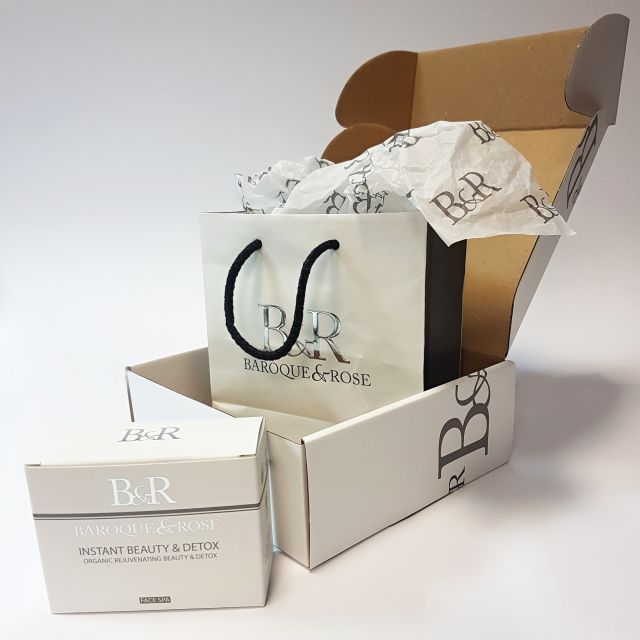
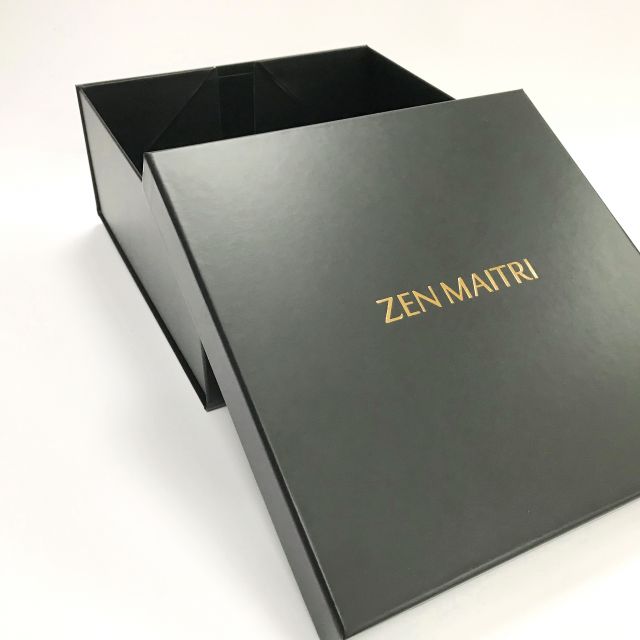
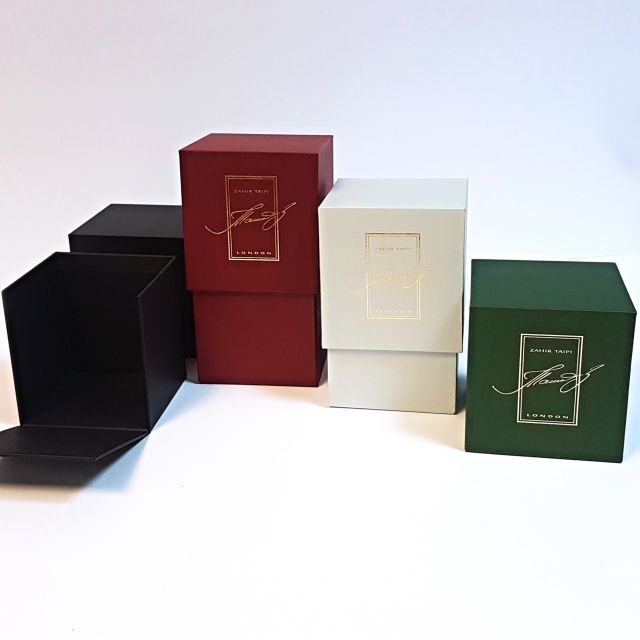
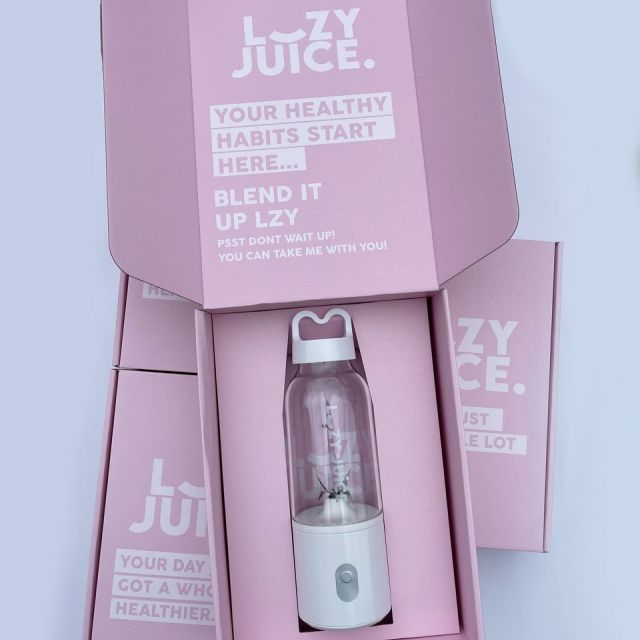
What “Luxury Packaging” Really Means
What “Luxury Packaging” Really Means
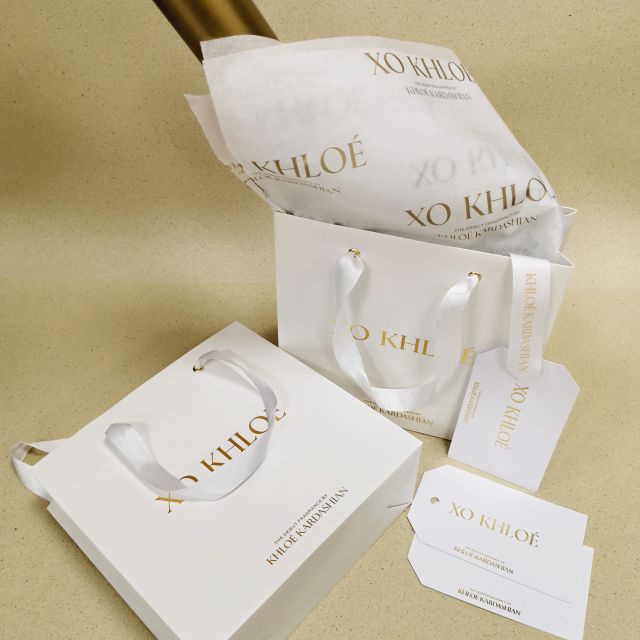
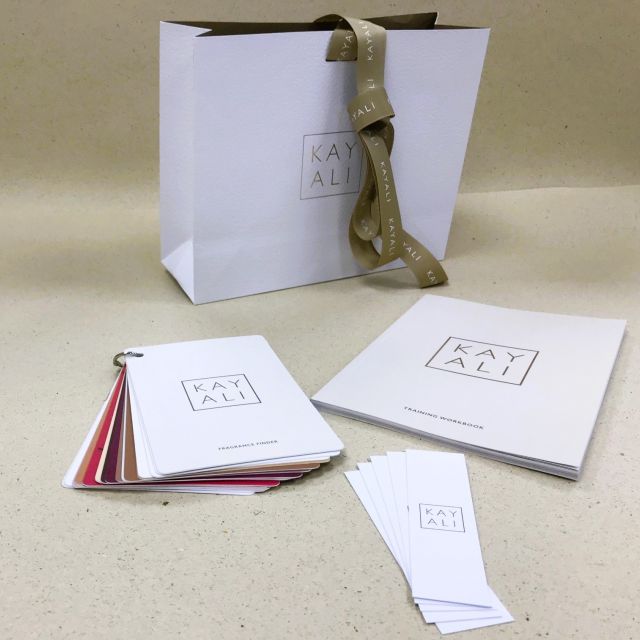
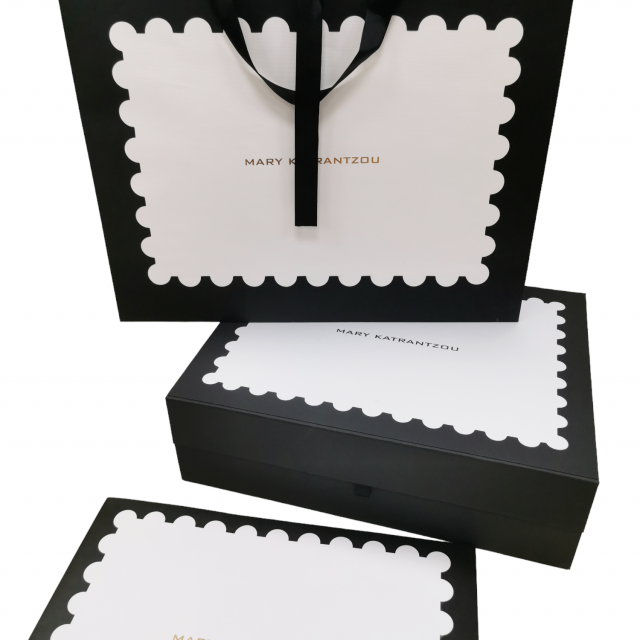
Luxury packaging isn’t just about thick paper, gold foil, or a perfectly tied ribbon. It’s about intention. Detail. The quiet confidence that comes from choosing the right materials — and knowing why they matter.
In a world where every brand is fighting for attention, packaging has become more than protection. It’s a first impression, a storytelling tool, and often the moment a customer decides whether something feels premium or just… ordinary.
But here’s the truth no one explains clearly: luxury starts long before the print finishes. It starts with the materials.
This guide breaks down the foundations of luxury packaging — from paper types and board grades to laminations, foils, and sustainable alternatives. Whether you’re a designer, a brand owner, or simply curious about how premium packaging is made, this is your blueprint.
By the end, you’ll understand:
- what makes a material feel “luxury”
- how different finishes change the entire experience
- which combinations create that high-end look
- and how to choose the right materials for your product, budget, and brand
Welcome to The Packaging Blueprint — your masterclass hub for luxury packaging, artwork, and materials.
2. The Three Pillars of Luxury Packaging Materials
A simple framework that makes everything else in this guide make sense.
When people think of luxury packaging, they often jump straight to the finishes — the gold foil, the soft-touch lamination, the embossed logo. But true luxury starts much earlier. It begins with the materials, and how they work together to create an experience that feels intentional, elevated, and unmistakably premium.
To make this easy, luxury packaging materials can be understood through three core pillars:
Pillar 1: Material Quality
This is the foundation. The weight, texture, colour, and composition of the material determine how the packaging feels the moment someone touches it.
High-quality materials:
- feel substantial, not flimsy
- hold colour and print beautifully
- resist cracking, tearing, or warping
- create a sense of trust and value
Whether it’s a thick greyboard for a rigid box or a beautifully textured paper for a carrier bag, quality is the first signal of luxury.
Pillar 2: Finishing Techniques
This is where the magic happens.
Lamination, foils, varnishes, embossing — these are the details that transform a simple material into something memorable. Finishes add:
- depth
- contrast
- texture
- light reflection
- tactile interest
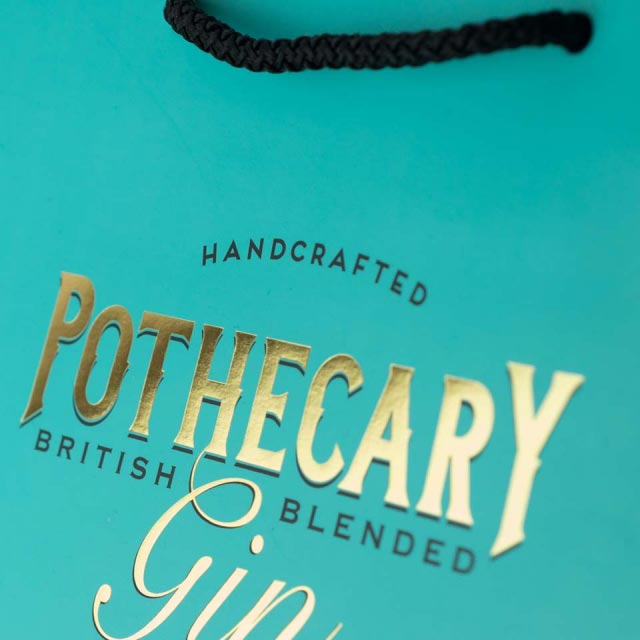
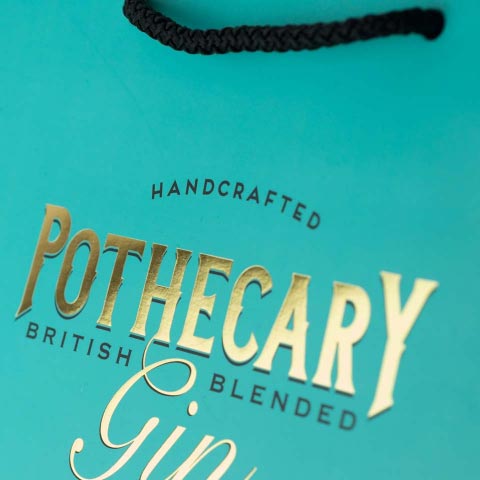
A matt lamination paired with a gold foil logo instantly communicates elegance. A soft-touch coating creates a velvety feel that customers associate with high-end brands. These choices are subtle, but they shape the entire perception of the product.
Pillar 3: Structural Integrity
Luxury packaging must feel strong.
The construction, thickness, and engineering of the packaging determine how it performs:
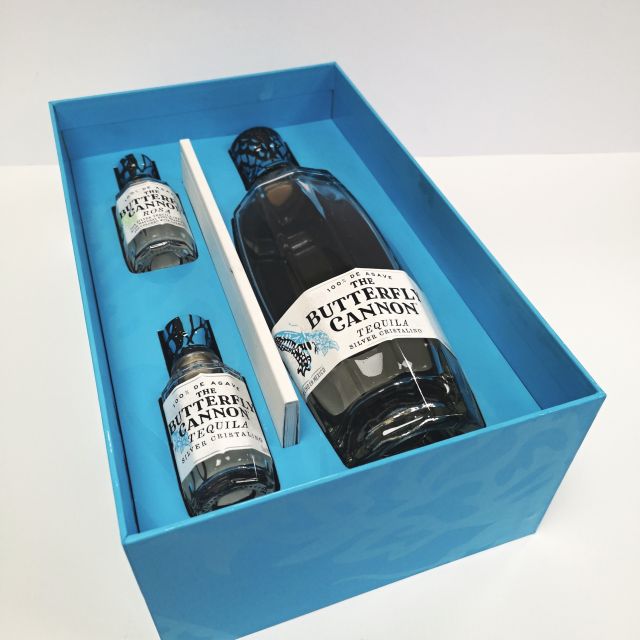
- Does the box close with a satisfying magnetic snap?
- Does the bag stand upright without collapsing?
- Does the lid lift smoothly and evenly?
Structural integrity is what makes packaging feel reliable, premium, and worth keeping. It’s the difference between something disposable and something that becomes part of the unboxing ritual.
Together, these three pillars create the foundation of luxury.
Quality materials, thoughtful finishes, and strong construction — when all three align, the result is packaging that feels elevated before the product is even revealed.
Paper Types Used in Luxury Packaging
The foundation of every premium bag, box, and printed piece.
Paper is the quiet hero of luxury packaging. Before the foils, before the laminations, before the ribbons — it’s the paper that sets the tone. The weight, the texture, the colour, the way it holds ink… all of it shapes how “premium” something feels the moment a customer touches it.
Art Paper (Coated Paper)
Smooth. Clean. Consistent. This is the go-to choice for high-quality print.
Why it’s used in luxury packaging:
- produces sharp, vibrant colours
- perfect for photography, gradients, and detailed artwork
- works beautifully with matt or gloss lamination
- ideal for premium retail bags and folding cartons
Best for: Brands that want a polished, modern, high?definition look.
Kraft Paper
Natural. Honest. Sustainable. Kraft has become the hero of eco-luxury.
Why it’s loved:
- strong and durable
- recyclable and biodegradable
- has a warm, organic texture
- pairs beautifully with black ink, white ink, or foil
Best for: Brands with a sustainability story — fashion, lifestyle, artisan products.
Our tip: Kraft + white ink + debossing = understated luxury.
Textured Papers
Elegant. Tactile. Memorable. These papers add instant sophistication.
Common textures include:
- Linen (woven fabric feel)
- Laid (fine parallel lines)
- Embossed patterns (leather, canvas, geometric)
Why they’re premium:
- they feel expensive in the hand
- they elevate simple designs
- they work beautifully with foil and embossing
Best for: Luxury retail, gifting, boutique brands, and rigid boxes.
Specialty Papers
These are the showstoppers — the papers that make people say “wow”.
Types include:
- Metallic papers (gold, silver, pearlescent)
- Soft-touch papers (velvet feel without lamination)
- Coloured-through papers (colour all the way through, not just printed)
- Recycled luxury papers (premium feel with eco credentials)
Why they stand out:
- they create instant visual impact
- they feel unique and high-end
- they reduce the need for heavy finishing
Best for: High?end retail, cosmetics, jewellery, premium gifting.
Uncoated Papers
Soft. Natural. Understated. Uncoated papers absorb ink differently, giving a more muted, tactile finish.
Why they’re used:
- they feel warm and organic
- they suit minimalist, Scandinavian-style branding
- they pair beautifully with embossing and foil
Best for: Brands that want a refined, modern, “quiet luxury” aesthetic.
Choosing the right paper sets the entire tone of your packaging.
It’s the first decision that shapes print quality, texture, sustainability, and cost — and it’s the foundation every other finish builds on.
Board Grades for Rigid Boxes
The backbone of luxury packaging — strength, structure, and that premium “feel”.
Rigid boxes are the crown jewel of luxury packaging. They’re the boxes people keep, reuse, display, and remember. And the secret behind that premium feel? The board. The thickness, density, and colour of the board determine everything from durability to how the lid lifts to how the box feels in the hand.
Greyboard (1.5mm – 3mm)
The most common and versatile board for luxury rigid boxes.
Why it’s used:
- strong and durable
- cost-effective
- excellent for wrapping with printed or textured papers
- available in multiple thicknesses
Thickness guide:
- 1.5mm — lighter, suitable for small boxes
- 2mm — the industry sweet spot
- 2.5–3mm — ultra-premium, heavy, gift-set style
Best for: Cosmetics, fashion accessories, gifting, premium retail.
Whiteboard
A cleaner, brighter alternative to greyboard.
Why brands choose it:
- pure white core (no grey edges)
- ideal for unwrapped or partially wrapped designs
- looks premium even on the inside
Best for: High-end cosmetics, jewellery, minimalist brands.
Blackboard
Dark, dramatic, and very high-end.
Why it stands out:
- deep black core throughout
- perfect for luxury unboxing moments
- pairs beautifully with metallic foils
Best for: Luxury fashion, tech accessories, premium gifting.
Duplex / Triplex Boards
Layered boards that offer strength without excessive weight.
Why they’re useful:
- lighter than thick greyboard
- good for mid-range rigid boxes
- cost-efficient for large production runs
Best for: Subscription boxes, mid-luxury retail, seasonal packaging.
How Board Thickness Affects Perception
This is where your expertise shines:
- Thicker board = heavier, more premium feel
- Thinner board = lighter, more economical
- Colour of the core affects the unboxing moment
- Board density affects how crisp edges look
A 3mm rigid box with soft-touch lamination and gold foil? Instant luxury.
Laminations & Coatings
Where luxury truly becomes visible — the finishes that transform good packaging into unforgettable packaging.
If paper is the foundation, lamination is the personality. This is where the tactile experience begins — the moment someone runs their fingers across a box or bag and instantly feels quality.
Gloss Lamination
Bold. Shiny. Eye-catching.
Why it’s used:
- enhances colour vibrancy
- adds a reflective, polished finish
- protects against scratches and moisture
Best for: Retail packaging, fashion, tech accessories, anything that needs visual impact.
Matt Lamination
Smooth. Elegant. Understated.
Why it’s premium:
- reduces glare
- creates a soft, refined look
- pairs beautifully with foil and embossing
- feels more “expensive” than gloss
Best for: Luxury fashion, cosmetics, gifting, minimalist brands.
Soft-Touch Lamination
Velvet. Sensory. Ultra-premium.
This is the finish people can’t stop touching.
Why it’s loved:
- creates a velvety, suede-like feel
- instantly signals high-end quality
- works beautifully with metallic foils
- elevates even simple designs
Best for: High-end retail, premium gifting, cosmetics, jewellery.
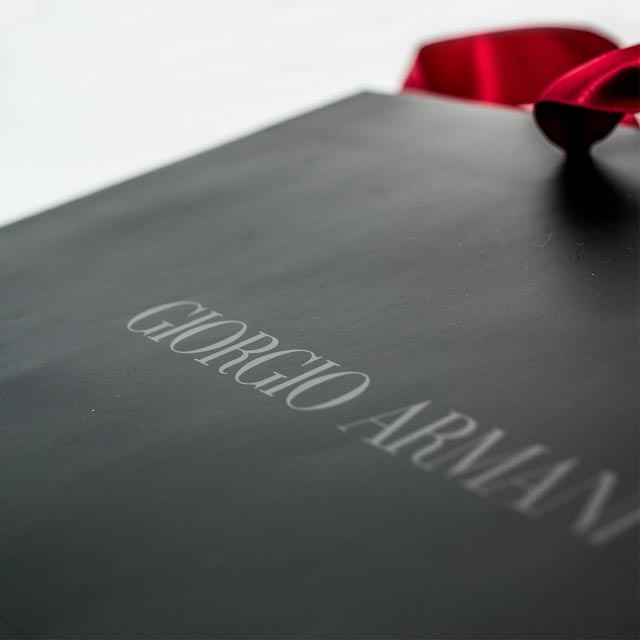
Maria tip: Soft-touch + gold foil = instant luxury.
Anti?Scratch Lamination
Durable. Practical. Still premium.
Why it matters:
- prevents scuffing during transport
- ideal for darker colours (which show marks easily)
- keeps packaging looking pristine on shelves
Best for: Black boxes, dark-coloured bags, premium retail.
Spot UV (Selective Gloss)
Contrast. Drama. Precision.
Spot UV adds gloss only to specific areas — logos, patterns, text — creating a beautiful contrast against matt or uncoated surfaces.
Why it’s effective:
- adds depth and dimension
- highlights key design elements
- feels modern and high-end
Best for: Branding-focused packaging, minimalist designs, premium retail.
Varnishes (Matt, Gloss, Satin)
Subtle. Versatile. Cost-effective.
Why brands use them:
- add protection without heavy lamination
- create different levels of sheen
- suitable for eco-focused brands
Best for: Mid-range packaging, sustainable lines, folding cartons.
Finishes are where luxury becomes visible.
They influence how packaging feels, how it catches the light, and how customers perceive the brand before they even open the box.
Foiling, Embossing & Debossing
The details that turn premium packaging into unforgettable packaging.
These are the finishes people notice first — the ones they run their fingers across, tilt toward the light, and remember long after the product is gone. Foiling and embossing aren’t just decoration; they’re emotional triggers. They make packaging feel intentional, crafted, and undeniably luxurious.
Hot Foil Stamping
Classic. Reflective. Iconic.
Hot foil uses heat and pressure to apply metallic or pigmented foil onto the surface.
Why it’s loved:
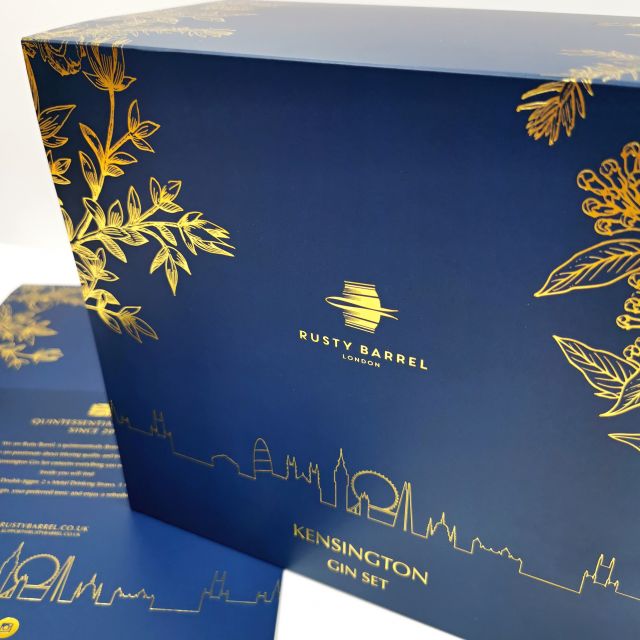
- creates sharp, crisp metallic details
- available in gold, silver, rose gold, copper, holographic, matte colours
- instantly elevates even simple designs
- works beautifully on matt and soft-touch laminations
Best for: Logos, borders, patterns, monograms, luxury branding.
Cold Foil
Modern. Detailed. Efficient.
Cold foil is applied during the printing process, allowing for finer detail and faster production.
Why it’s useful:
- perfect for intricate patterns
- great for large foil areas
- more cost-effective for high volumes
- allows CMYK printing over the foil
Best for: Cosmetics, premium retail, decorative patterns.
Embossing
Raised. Tactile. Elegant.
Embossing lifts the material to create a raised design.
Why it feels premium:
- adds texture and depth
- creates a subtle, high-end effect
- pairs beautifully with foil (foil emboss)
- enhances minimalist designs
Best for: Logos, monograms, patterns, brand marks.
Debossing
Pressed. Refined. Understated.
Debossing presses the design into the material, creating an indented effect.
Why it’s beautiful:
- subtle and sophisticated
- works perfectly on textured or uncoated papers
- ideal for eco-luxury brands
- adds premium feel without shine
Best for: Minimalist branding, kraft packaging, premium gifting.
Foil + Emboss Combination
The ultimate luxury duo.
When foil is applied to an embossed area, the result is a raised, reflective, tactile finish that feels expensive.
Why it’s a showstopper:
- adds dimension and shine
- creates a “touch-and-see” moment
- perfect for premium logos
Choosing the Right Finish
A quick decision guide:
- Bold luxury: hot foil + matt lamination
- Eco-premium: debossing on kraft or textured paper
- Modern luxury: cold foil patterns + soft-touch
- Minimalist elegance: blind emboss (no foil)
Handles, Ribbons & Hardware
The finishing touches that complete the luxury experience.
Luxury packaging isn’t just about the box or the bag — it’s about the details that make it feel finished, intentional, and beautifully crafted. Handles, ribbons, and hardware are the elements customers interact with first, and they quietly communicate quality before the product is even revealed.
The finishing touches that complete the luxury experience.
Luxury packaging isn’t just about the box or the bag — it’s about the details that make it feel finished, intentional, and beautifully crafted. Handles, ribbons, and hardware are the elements customers interact with first, and they quietly communicate quality before the product is even revealed.
This section breaks down the premium options clearly and simply.
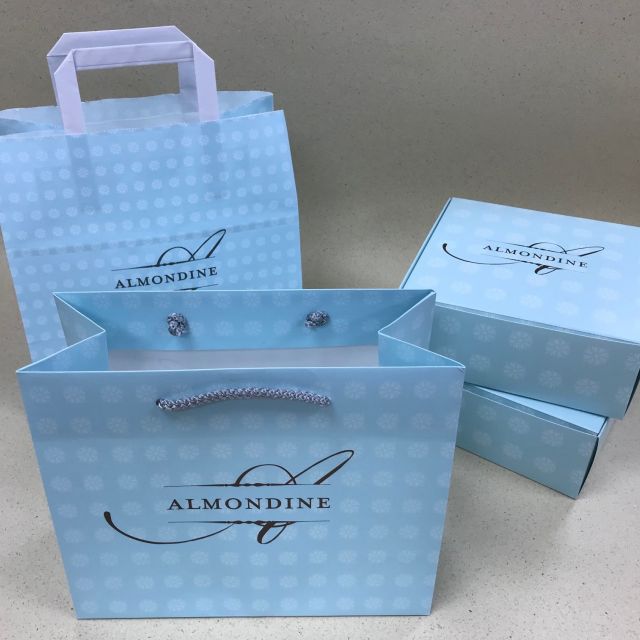
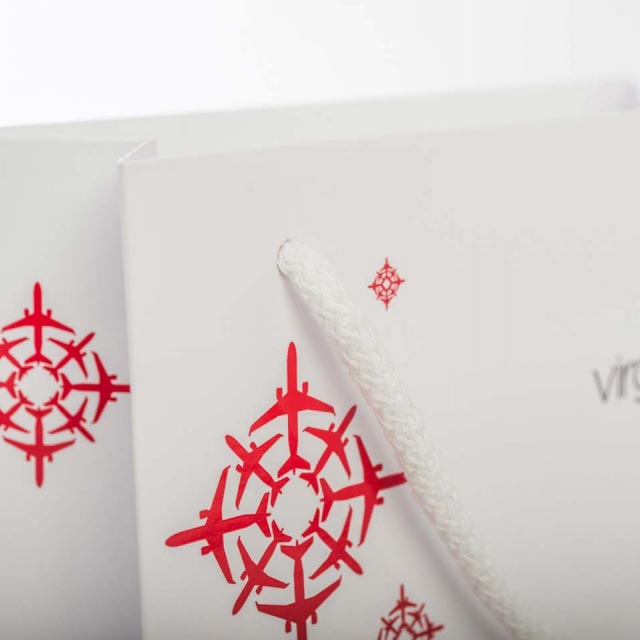
Cotton Rope Handles
Soft. Strong. Premium.
Why they’re used:
- comfortable to hold
- durable for heavier products
- available in thick, braided, or smooth styles
- instantly elevate a paper bag
Best for: Fashion, gifting, boutique retail.
Grosgrain Ribbon Handles
Textured. Elegant. High-end.
Grosgrain has a subtle ribbed texture that feels luxurious.
Why it’s loved:
- holds shape beautifully
- feels substantial and refined
- perfect for premium gift bags
Best for: Cosmetics, jewellery, luxury gifting.
Satin Ribbon Handles
Smooth. Glossy. Romantic.
Why brands choose it:
- soft and silky feel
- adds a feminine, elegant touch
- ideal for seasonal or gifting ranges
Best for: Beauty, lingerie, gifting, boutique retail.
PP (Polypropylene) Handles
Practical. Strong. Versatile.
Why they’re useful:
- cost-effective
- durable for everyday retail
- available in many colours and thicknesses
Best for: High-volume retail, supermarkets, promotional bags.
Metal Eyelets
Polished. Reinforced. Premium.
Eyelets strengthen the handle holes and add a refined finish.
Why they matter:
- prevent tearing
- add a luxury detail
- pair beautifully with rope or ribbon handles
Best for: Premium retail, gifting, fashion.
Magnetic Closures
Smooth. Satisfying. High-end.
Magnetic closures are a signature of luxury rigid boxes.
Why they’re premium:
- create a smooth, effortless opening
- add weight and sophistication
- feel expensive and intentional
Best for: Gift boxes, cosmetics, premium product sets.
Ribbon Ties
Classic. Elegant. Gift-ready.
Why they’re used:
- add a ceremonial “untying” moment
- perfect for gifting and seasonal packaging
- work beautifully with textured papers
Best for: Luxury gifting, jewellery, boutique brands.
Choosing the Right Finishing Touch
A quick guide:
- Luxury retail: cotton rope + metal eyelets
- Premium gifting: satin ribbon + magnetic closure
- Eco-focused: cotton rope + kraft paper
- Minimalist luxury: grosgrain ribbon + matt lamination
Sustainability Considerations
Modern luxury isn’t just beautiful — it’s responsible.
Sustainability has shifted from a “nice to have” to a core expectation. Customers want packaging that feels premium and aligns with their values. Brands want solutions that look high-end without compromising environmental responsibility. And suppliers — like you — are now guiding clients through choices that balance luxury with sustainability.
FSC-Certified Materials
Responsible. Traceable. Trusted.
The Forest Stewardship Council (FSC) ensures paper and board come from responsibly managed forests.
Why it matters:
- globally recognised certification
- supports ethical forestry
- signals environmental responsibility to customers
- available across paper, board, and kraft options
Best for: Any brand wanting to demonstrate sustainability without changing the look or feel of their packaging.
Recycled Content Papers & Boards
Eco?friendly. Premium. Evolving fast.
Modern recycled materials are far more refined than they used to be.
Why brands choose them:
- available in luxury textures and colours
- reduce environmental impact
- pair beautifully with debossing and minimalist designs
- ideal for eco-focused product lines
Best for: Beauty, lifestyle, fashion, artisan brands.
Biodegradable & Compostable Laminations
Sustainable. Modern. Still premium.
Traditional laminations aren’t recyclable — but new biodegradable options are changing the game.
Why they’re important:
- reduce plastic waste
- maintain premium feel
- suitable for bags, boxes, and folding cartons
Best for: Brands wanting luxury finishes without traditional plastic laminates.
Water-Based Inks
Cleaner. Safer. High-quality.
Water-based inks reduce chemical impact while maintaining strong print performance.
Why they’re used:
- lower VOC emissions
- safer for workers and the environment
- excellent for kraft and uncoated papers
Best for: Eco-luxury brands, artisan packaging, natural product lines.
Plastic-Free Packaging Options
Minimalist. Responsible. On-trend.
More brands are moving toward fully plastic-free packaging.
Options include:
- kraft paper bags
- uncoated or textured papers
- recycled greyboard rigid boxes
- cotton rope handles
- paper-based tapes and labels
Best for: Brands with strong sustainability messaging or natural product ranges.
Sustainability Without Compromising Luxury
A quick guide:
- Eco-premium: kraft + deboss
- Luxury with responsibility: FSC art paper + matt lamination
- High-end gifting: recycled greyboard + textured wrap
- Minimalist eco-luxury: uncoated paper + blind emboss
Luxury and sustainability are no longer opposites — they’re partners.
Modern premium packaging is defined by thoughtful materials, responsible sourcing, and finishes that elevate without harming the planet.
Cost Breakdown: What Actually Affects Price
The part every brand wants to understand — finally explained simply.
Luxury packaging pricing can feel mysterious to customers. They see a beautiful box or bag and assume the cost comes from “the fancy bits.” But in reality, price is shaped by a combination of materials, finishes, production methods, and logistics.
Material Thickness & Quality
The thicker and denser the material, the higher the cost.
Why it matters:
- thicker greyboard increases weight and durability
- premium papers cost more than standard coated stock
- textured or specialty papers add a premium
Examples:
- 3mm greyboard costs more than 2mm
- linen or pearlescent papers cost more than art paper
Paper Type & Wrap Material
Your choice of paper dramatically affects price.
Higher-cost options:
- textured papers
- coloured-through papers
- metallic or pearlescent papers
- premium recycled papers
Lower-cost options:
- standard art paper
- kraft paper (depending on grade)
Finishing Techniques
This is where luxury becomes visible — and where costs can rise.
Higher-cost finishes:
- hot foil stamping
- embossing / debossing
- soft-touch lamination
- spot UV
- multi-layer foiling
Lower-cost finishes:
- matt or gloss lamination
- simple varnishes
Printing Method
Different printing processes come with different price points.
Digital printing:
- best for small quantities
- cost-effective
- limited in special effects
Offset printing:
- best for larger runs
- higher quality
- supports special inks and finishes
Special inks:
- metallic inks
- white ink on kraft
- Pantone spot colours
These add cost but elevate the final look.
Quantity (Economies of Scale)
The more you order, the cheaper each unit becomes.
Why:
- setup costs are spread across more units
- printing plates and tooling become more efficient
- bulk material purchasing reduces cost
Key insight: Luxury packaging is often significantly cheaper at higher volumes.
Construction & Engineering
Complex structures cost more.
Higher-cost constructions:
- magnetic closures
- drawer boxes
- multi-layer rigid boxes
- custom die-cuts
- reinforced handles
Lower-cost constructions:
- simple folding cartons
- standard rigid lids
- basic paper bags
Hardware & Accessories
These add both cost and perceived value.
Higher-cost accessories:
- satin or grosgrain ribbons
- metal eyelets
- magnetic closures
- custom rope handles
Lower-cost accessories:
- PP handles
- simple cotton rope
- paper handles
Shipping Weight & Logistics
A hidden cost many brands forget.
Why it matters:
- thicker board = heavier boxes
- soft-touch lamination adds weight
- rigid boxes take more space than folding cartons
This affects both shipping and storage costs.
Quick Cost Guide
- Want luxury on a budget? Art paper + matt lamination + gold foil logo
- Want eco-premium? Kraft + deboss + water-based inks
- Want high-end gifting? 2.5mm greyboard + soft-touch + foil emboss
- Want volume efficiency? Offset print + standard lamination + simple structure
Understanding cost isn’t about cutting corners — it’s about making smart, intentional choices.
This section positions you as the expert who helps brands invest wisely, not overspend blindly.
When to Choose What — Simple Decision Guide
The quick, practical cheat sheet brands wish they had years ago.
Luxury packaging can feel overwhelming — so many materials, finishes, thicknesses, and options. This decision guide simplifies everything. It helps readers choose the right combination based on their brand style, product type, and budget.
If you want a classic luxury look
Choose:
- Art paper
- Matt lamination
- Gold or silver hot foil
- 2–2.5mm greyboard
Perfect for: Fashion, cosmetics, premium gifting.
If you want modern minimalist luxury
Choose:
- Uncoated or textured paper
- Blind emboss (no foil)
- Soft-touch or satin varnish
- Whiteboard for clean edges
Perfect for: Scandinavian brands, lifestyle products, boutique retail.
If you want eco-luxury
Choose:
- Kraft paper
- Debossing
- Water-based inks
- Recycled greyboard
Perfect for: Natural products, artisan brands, sustainable collections.
If you want high-impact retail
Choose:
- Gloss lamination
- Spot UV
- Cold foil patterns
- PP or cotton rope handles
Perfect for: Tech accessories, fashion retail, promotional gifting.
If you want premium gifting
Choose:
- Textured wrap paper
- Soft-touch lamination
- Foil emboss
- Magnetic closure
Perfect for: Gift sets, jewellery, luxury hampers.
If you want luxury on a budget
Choose:
- Art paper
- Matt lamination
- Single-colour foil logo
- Simple rigid lid or folding carton
Perfect for: Start-ups, small brands, seasonal ranges.
If you want maximum durability
Choose:
- Anti-scratch lamination
- 2.5–3mm greyboard
- Metal eyelets
- Cotton rope handles
Perfect for: Heavy products, premium retail bags, reusable packaging.
If you want something that feels truly high-end
Choose:
- Soft-touch lamination
- Gold foil emboss
- Coloured-through paper
- Magnetic closure
Perfect for: Luxury fashion, cosmetics, high-value gifting.
This guide helps brands choose confidently — without needing to be packaging experts.
It’s simple, visual, and instantly useful.
11. Conclusion — Bringing It All Together
Luxury packaging isn’t one thing — it’s the harmony of many thoughtful choices.
From materials and board grades to finishes, ribbons, foils, and sustainability, luxury packaging is a craft. It’s the art of combining the right elements to create something that feels intentional, elevated, and unmistakably premium.
This guide has walked you through every major decision:
- What materials signal luxury
- Which finishes create impact
- How structure affects perception
- Where costs actually come from
- How sustainability fits into modern premium design
- How to choose the right combination for their brand
Luxury packaging isn’t about choosing the most expensive option — it’s about choosing the right option. The one that reflects the brand, enhances the product, and creates an experience customers remember.
Your will now understand:
- how to speak confidently with suppliers
- how to make informed, strategic decisions
- how to balance beauty, function, and cost
- how to build packaging that feels truly premium
And if there is still anything that wasn't included or need a further explanation, here at Print & Packaging Solutions we are always happy to answer all your questions.